
Youth Sports as a Path to Mental Health, Physical Wellness, & Equity
03.18.26
Across the country, young people are facing unprecedented mental health challenges. Rates of anxiety, depression, and social isolation among youth have risen sharply in recent years, fueled in part by increased screen time, social media pressures, and the lingering impacts of the pandemic. According to recent studies, teenagers spend an average of over seven hours a day on screens, much of it on social platforms that can amplify stress, comparison, and loneliness.
Amid these challenges, youth sports often remain an overlooked but powerful solution. When children and teens are on the court, field, or track, they are fully present—physically engaged, mentally focused, and socially connected. Sports provide a healthy alternative to hours spent scrolling, offering both a reprieve from digital stressors and an opportunity to build resilience.
As leaders in the youth development and sports space, we—Jason Sacks, CEO of Positive Coaching Alliance, and Jennifer Brown Lerner, Deputy Director of the Aspen Institute Sports & Society Program—see firsthand how organized sports can serve as a critical platform for mental, physical, and social-emotional well-being.
Sports as Mental Health Infrastructure
From the ground up, we see sports as much more than games and scores.
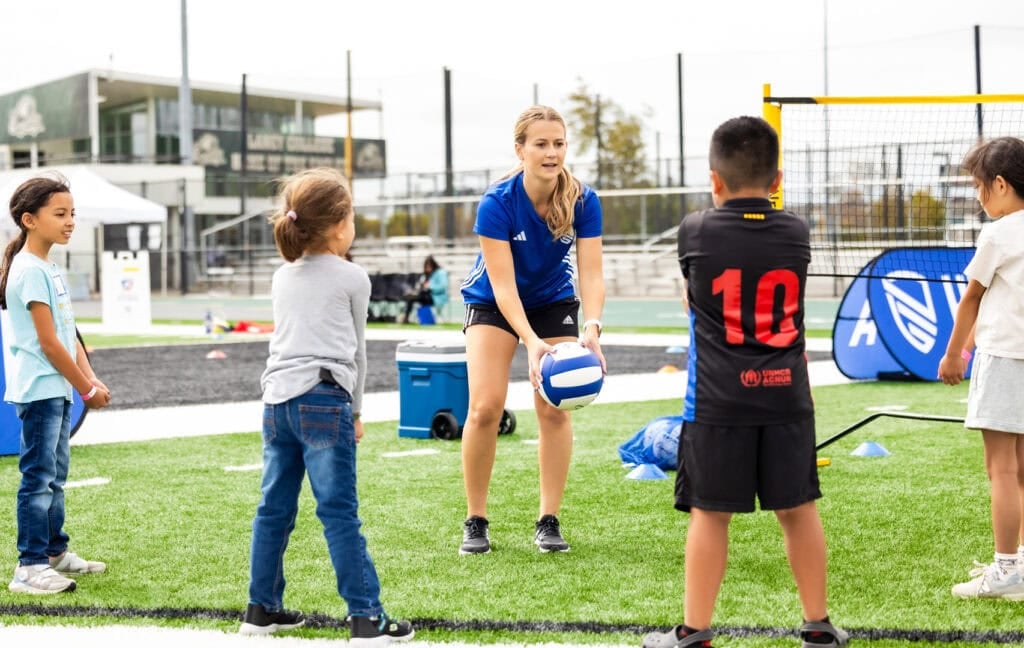
Jason: At PCA, we work directly with coaches, parents, and youth to create positive, supportive sports environments. A trained, caring coach can instill confidence, help young people navigate setbacks, and foster a sense of belonging that extends far beyond the field. These experiences build resilience and equip youth with coping skills that are essential for mental health.
Jennifer: Research consistently supports this on a systemic level. Participation in sports is strongly correlated with higher self esteem, academic success, and overall physical and mental well-being. Sports are not an “extra” activity—they are a vital form of mental health infrastructure, providing safe spaces, supportive adults, and structured opportunities for youth to thrive.
The Current Challenge
Despite the clear benefits, too many young people lack access to sports. Rising costs, transportation barriers, and inequities in opportunity mean that participation is often limited to those with the greatest resources. Meanwhile, caring adult coaches—a cornerstone of positive sports experiences—are in short supply.
Without intervention, the protective benefits of sports remain out of reach for too many youth, exacerbating the broader mental health crisis. For communities struggling with anxiety, depression, and social isolation among teens, this gap represents a missed opportunity to build resilience at a formative stage.
Solutions in Action
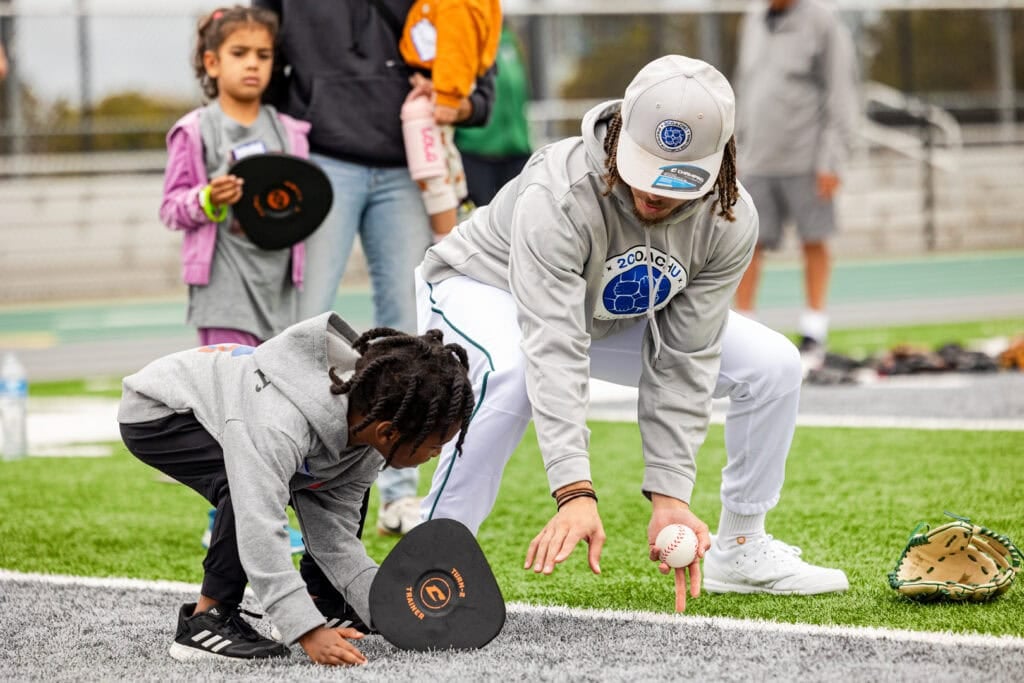
Jason: Through PCA’s training programs, we equip coaches and parents to create environments where every athlete can grow—on and off the field of play. Coaches who complete our programs report higher confidence in managing team dynamics, supporting athletes’ mental health, and creating inclusive, positive experiences. Countless stories illustrate the profound impact of these trained mentors on young people, from helping an athlete overcome self-doubt to fostering a team culture where everyone feels they belong.
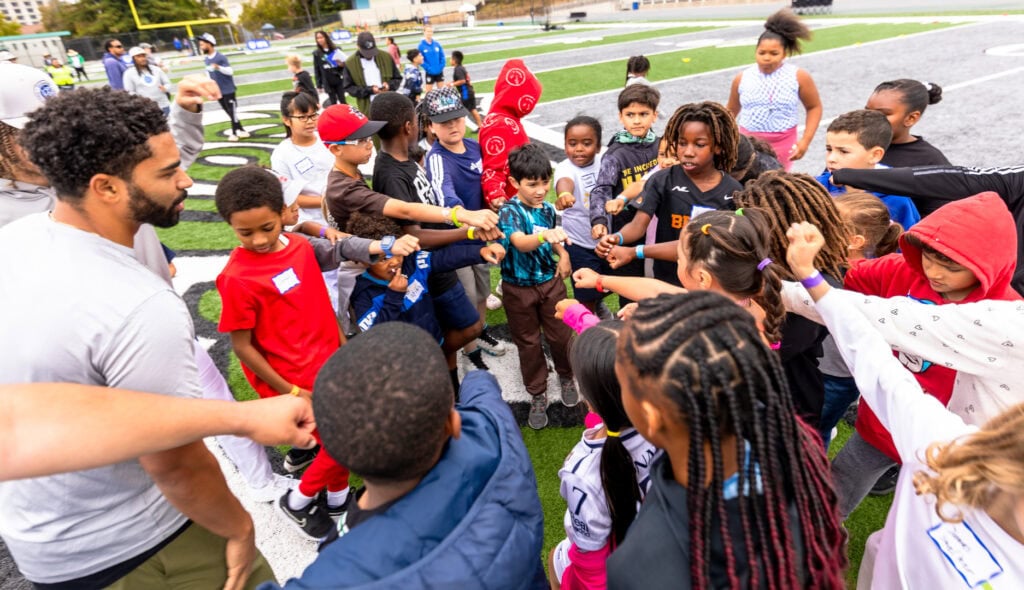
Jennifer: On the community and policy level, strategic investment in sports infrastructure, afterschool programs, and partnerships allows access to scale. Expanding leagues, improving facilities, and funding coach training ensures that more youth, especially in underserved communities, can participate and reap the associated developmental benefits. The combination of direct program work and systemic change is what truly transforms outcomes for young people.
Why We Should Care
Sports programs are preventive mental health strategies. Every dollar invested translates into safe spaces, trained mentors, and healthy outlets for youth. Funding sports is not just about athletics—it is about supporting mental health, physical wellness, equity, and community.
By recognizing sports as a public good rather than a luxury, we can reshape the narrative, ensuring that all young people, regardless of background, have the opportunity to thrive.
What We Can Do
This is the moment to invest. Demand is high, benefits are proven, and the return—healthier, more resilient youth—is undeniable.
We encourage our colleagues and partners to:
- Support existing youth sports organizations.
- Invest in expansion and access for underserved communities.
- Recognize sports as a central component of afterschool and youth development strategies.
We also invite you to join us as members of a new national coalition, Fund IRL, led by Children’s Funding Project and Afterschool Alliance, working to ensure that potential payouts from current social media lawsuits are redirected to fund these crucial youth sports and other out-of-school time programs.
Together, we can ensure that more children experience the benefits of sports: connection, confidence, resilience, and joy—away from screens and fully engaged in life.
Jason Sacks, CEO, Positive Coaching Alliance
Jennifer Brown Lerner, Deputy Director, Aspen Institute Sports & Society Program