PCA Resource zone
What Happens When We Direct From the Sidelines
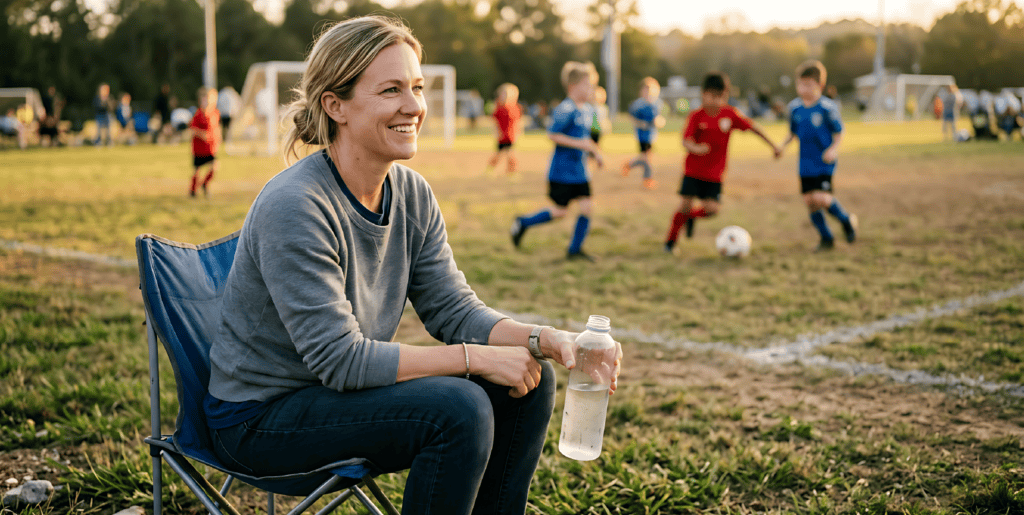
While cheering for our athletes is one of the great joys of youth sports, it’s easy for that enthusiasm to shift from support to instruction. Most of us have been there – the game is close, the moment is intense, and we call out directions because we want to help. It comes from a place of love and support for our athletes. But research on how young athletes process information under pressure shows that their reactions tend to fall into a few very predictable buckets – and they’re worth understanding.
Common Reactions to Hearing Directions From the Sidelines
These reactions may show up across all athletes, and more intensely for some, depending on their lived experiences.
Overwhelm & Confusion
In any given moment, a young athlete is tracking the ball, reading opponents, listening to coaches, responding to teammates, and managing everything happening inside their own body and mind. Add an adult’s voice from the sideline, and it’s too many inputs – resulting in freezing, hesitation, or mistakes.
Anxiety & Pressure
When directions come with urgency (“SHOOT!” “GO!”), athletes often hear evaluation, not help. Their stress spikes, and performance drops, especially for athletes who want to please adults.
Frustration or Embarrassment
Many athletes feel singled out when their trusted adult is the loudest voice. Teammates notice. Opponents notice. That can trigger irritation or shame.
Overreliance
Some athletes stop trusting their own decision-making and start looking to the sideline for answers. This slows development and erodes confidence.
Tuning Out
Older athletes and teens often cope by mentally blocking out all sideline voices, including the coach’s.
Emotional Shutdown (Especially for Neurodivergent Athletes)
Athletes with ADHD, anxiety, dyslexia, or sensory sensitivities may hit overload faster. Extra voices can push any athlete into fight/flight/freeze – a state of overwhelm where they might act out, shut down, or try to quit the situation entirely.
What Athletes Wish Adults Knew
- “I just want you to watch me.”
- “I know what to do—I just need space to try.”
- “When you yell, I think I’m doing it wrong.”
- “It’s harder to play when I’m worried about disappointing you.”
What Actually Helps From the Sideline
Instead of directions, athletes respond best to:
Presence: Let them see you smiling, clapping, and displaying calm body language.
Effort Praise: Focus your praise on their effort instead of the results. “I love how hard you’re working” reinforces what they actually have control over.
No-Directions Cheering: Eliminate verbs in your cheering so athletes hear your support and not your advice. “Terrific play!” or “Way to play defense” are two great examples.
Emotion Regulation: Help your athlete stay in a calm, confident zone by focusing on your own emotional regulation first. These self-regulation strategies can help you stay calm and in control even in the toughest moments, giving your athlete an example of how to react when challenged.
Post-Game Curiosity: After a game, allow your athlete time to process. When they’re ready, don’t harp on their mistakes, but guide them in processing their performance with a curious prompt like: “What felt good out there today?”
THE “SILENT 5” CHALLENGE
Try spending the first five minutes of the competition simply observing in silence. Notice your athlete’s effort, their problem-solving, and how they fit into the flow of the game without any sideline distractions. See how their energy changes when they have the space to play without interference.
Related Resources