PCA Resource zone
Keys to Maximize Athlete Performance and Success Through Positive Coaching
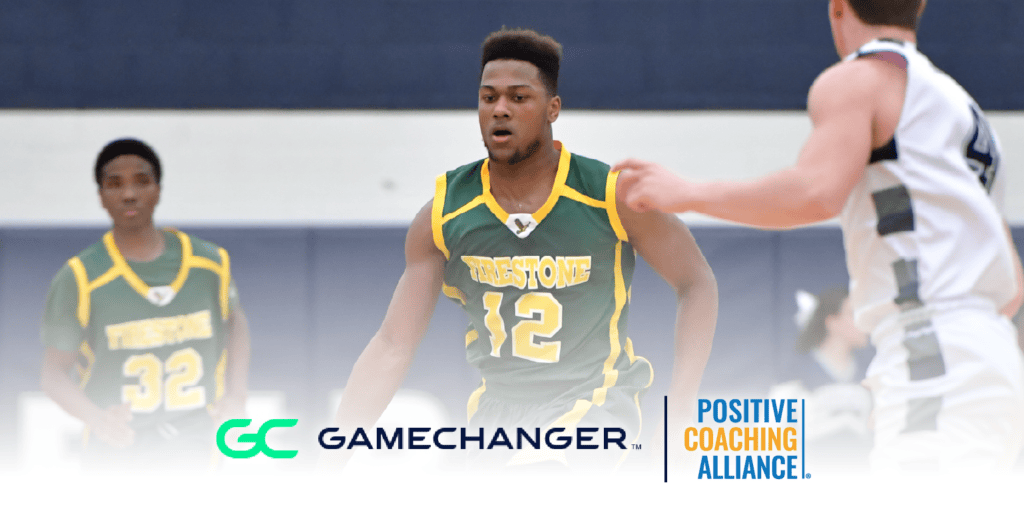
By their mid-teens, 70-80% of young athletes quit organized sports–often because practices aren’t engaging, coaching falls short, or winning is overemphasized.(1) The most successful coaches do more than teach skills–they create positive environments where athletes are challenged, learn from mistakes, and develop resilience. When coaches support athletes to thrive both on and off the field, performance improves, teamwork strengthens, and their passion for the sport grows. The following tips demonstrate how coaches can maximize both success and growth through positive coaching techniques. Coaches can:
Establish a Positive Team Culture
Cultivate a team culture centered on skill development, encouragement, support, and empathy. Research shows that empathetic coaching practices–such as getting to know athletes as individuals, responding to their unique needs, and valuing their perspectives–can reduce stress, strengthen belief in the team, and help athletes perform under pressure while adapting to challenges.(2) The tips below rely on creating this kind of supportive environment first.
Secure Buy-In
Build trusting relationships with athletes by getting to know them as individuals. Understanding their preferences and establishing trust shows you have their best interest at heart, which leads to better performance and greater buy-in when providing instruction.
When athletes feel they are heard and their opinions are valued, they’ll feel more connected to the team. Give athletes a voice and choice when appropriate–for example, ask for feedback on what could improve practice or let them decide how to wrap up a session.
Clearly explain the why and how of activities and decisions. Sharing quick rationales for training methods and practice plans can improve the motivation, comfort, and effort.(3)
Develop Resilience and Build Confidence
One of the best indicators for resilience in athletes is the strength of the relationships they have on the team.(4) When athletes feel supported, they are more likely to take risks, develop new skills, and perform better.
Frame mistakes as learning opportunities and support athletes in growing from them, instead of punishing them. Emphasize effort over results–a mastery focused approach celebrates athlete progress and helps athletes concentrate on what they can control. This mindset enables them to grow and improve their skills–win or lose–leading to better fundamentals and skill development.(5)
Athletes who feel confident and supported are also more adaptable, responding more effectively to in-game adjustments and changes in strategy.
Improve Focus
Athletes will inevitably encounter high-pressure situations during a season. Helping athletes recognize when stress is affecting their focus and providing them tools to manage it can improve performance through adversity.
Teaching athletes deep breathing techniques, like box breathing – inhale slowly for 4 seconds, hold for 4 seconds, exhale slowly for 4 seconds, and hold it again for 4 seconds gives athletes a practical way to respond productively to stress.
Creating a game plan in advance is another way to help athletes maintain focus. Understanding their role and how it fits into a larger team strategy helps athletes stay engaged and make better decisions during a competition.
- Merkel, D. L. (2013). Youth sport: Positive and negative impact on young athletes. Open Access Journal of Sports Medicine, 4, 151–160.
https://doi.org/10.2147/OAJSM.S33556 - Adiloğulları, İ., Şenel, E., Kerr-Cumbo, R., Aydemir, R., et al. (2025). Exploring the interplay of coach behaviours, team resilience, support perception, and collective efficacy in young team athletes. BMC Sports Science, Medicine and Rehabilitation, 17, Article 227. https://doi.org/10.1186/s13102-025-01277-1
- Gould, D., Nalepa, J., & Mignano, M. (2019). Coaching Generation Z athletes. Journal of Applied Sport Psychology (accepted). and Twenge, J. (2017). iGen: Why Today’s Super Connected Kids are Growing Up Less Rebellious, More Tolerant, Less Happy and Completely Unprepared for Adulthood and What That Means for the Rest of Us. New York: Simon and Schuster.
- National Scientific Council on the Developing Child. (2015). Supportive relationships and active skill‑building strengthen the foundations of resilience
(Working Paper No. 13). Center on the Developing Child at Harvard University. https://developingchild.harvard.edu/resources/working‑paper/supportiverelationships‑and‑active‑skill‑building‑strengthen‑the‑foundations‑of‑resilience/ - Davis, J. (2021, April 13). Revisiting growth mindset as a core capacity of sport psychology. Association for Applied Sport Psychology.
https://appliedsportpsych.org/blog/2021/04/revisiting-growth-mindset-as-a-core-capacity-of-sport-psychology/
Related Resources