PCA Resource zone
Coach Tips for Working with Officials
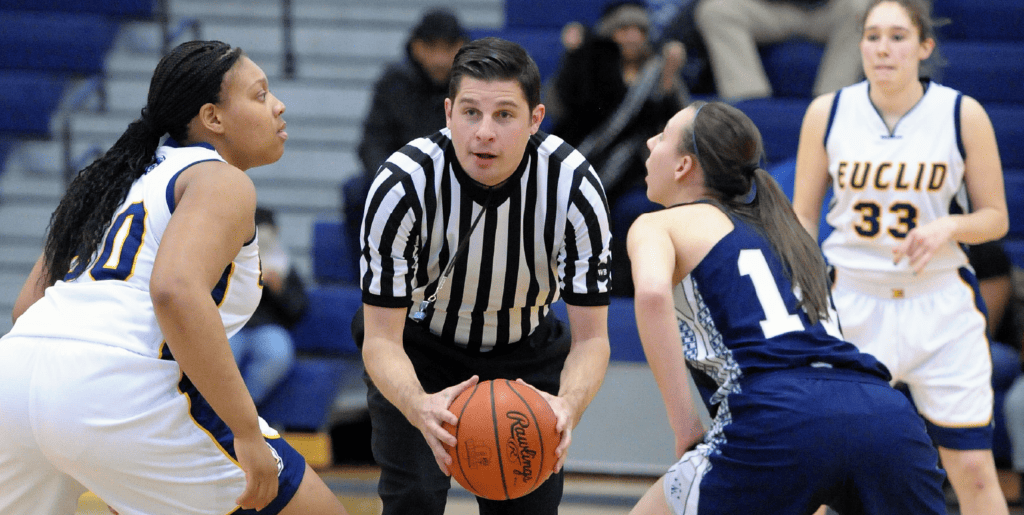
Officials have a tough job. They are tasked with maintaining a positive, fair, and safe sports environment while making impactful decisions in the blink of an eye. The way that coaches interact with, and respond to, officials can influence both athletes and parents/caregivers on the sidelines. It’s important for coaches to model actions that create a positive sports environment by treating officials with understanding and dignity.
Before the Competition
- Reflect on how you’ll interact with officials – Proactively think about how you can maintain positive interactions with officials. With intentional planning, you will have something to come back to in challenging moments. For example:
- I will remember that officials are human and may make mistakes. I’ll keep in mind that they are doing the best they can under the circumstances.
- When I want to address an official, I’m going to do so in a calm, level tone.
- Introduce yourself – Before the game starts, spend a few minutes connecting with officials. Learn their names and make sure they know yours. Doing so humanizes you to the officials and vise versa.
- Introduce officials to parents/caregivers – If there is time, introduce the officials to the parents/caregivers on the sidelines. This can help familiarize parents/caregivers with the officials and allow time to set expectations if necessary.
- Inquire how officials want to communicate – Find out from the officials what their preference is for communication. Do they prefer the team captains to bring issues to them or do they prefer to hear it from you? Is it easier to connect during breaks in play or wait until half-time?
During the Competition
- The rule of ‘first 15 contacts’ – The first part of the game is the learning phase for coaches, players, and officials. Use this time to evaluate what the officials do and don’t call and adjust your tactics and expectations accordingly. Getting a feel for the officials’ style can help you predict and better understand their calls.
- Use self-regulation strategies – When you encounter challenges, like a call you don’t agree with, use a self-regulation strategy to calm your body’s response and better handle the situation. For example:
- Take a deep breath through your nose for 6 seconds, let it out through your mouth for 8 seconds.
- Take a moment to count to 10 in your head and remember back to your plan for interacting with officials.
- Catch the officials doing good things – Recognize officials when they put in effort to be in a good position for a call. Boost them up by appreciating their calls and approaching them with positive body language.
After the Competition
- Appreciate officials for their efforts – At the end of the competition, thank the officials for their work. If you can remember a specific instance where they really hustled or made a difficult call, let them know.
- Reflect on your interactions – After you’ve had a chance to decompress, reflect on your interactions with officials. Were there ways that you succeeded in treating them with dignity? Were there interactions you can improve upon next time?
Related Resources