PCA Resource zone
Sideline Self-Regulation Tips for Parents/Caregivers
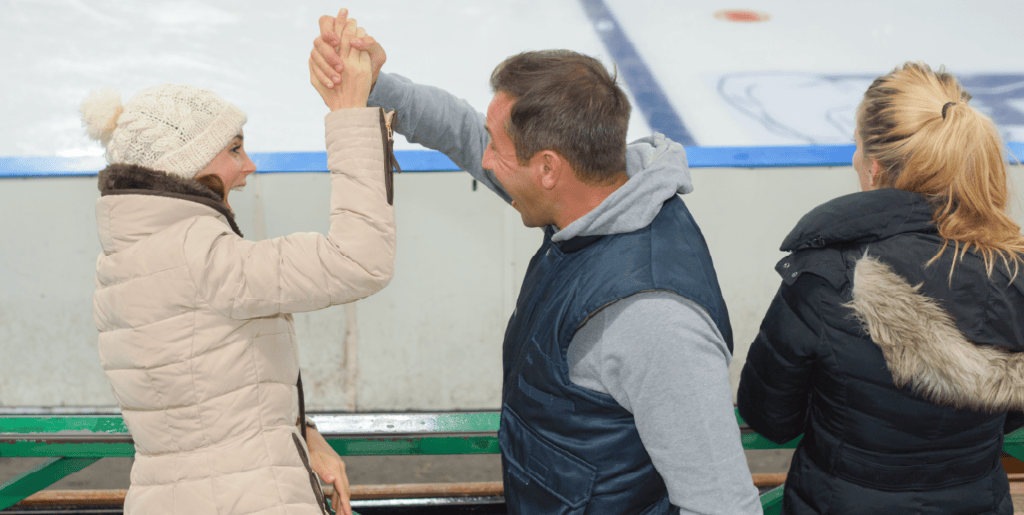
Watching our athletes compete can be incredibly joyful – and incredibly intense. It’s easy to get swept up in the heat of competition. When a call feels unfair or a coaching decision doesn’t sit right, staying cool on the sideline can be tough. But a calm, supportive sideline can help create the best experience – and often the best performance – for our athletes. The tips below can help you prepare for those moments and respond in a positive, constructive way.
You can maintain a positive presence on the sideline by…
Taking a moment before the game to decide how you want to respond when you feel challenged, frustrated, or affected by something that happens during play. Commit to your desired responses by writing them out so you can return to them when experiencing strong feelings. For example:
- If the coach takes my athlete out of the game and I don’t agree with it, instead of saying something to the coach, I’m going to take a quick walk to the fence surrounding the field, take a deep breath, and then return to the sidelines.
Connecting with other parents and caregivers on the sideline. Support each other in responding positively, intervening when necessary, and setting a strong example for athletes.
- Introduce yourself to your team’s parents or caregivers and encourage them: “Let’s have a great day today! We need to focus on supporting our athletes and leaning on each other when we feel ourselves getting frustrated.”
Identifying when you feel yourself being affected by something happening, and:
- Walking away from your place on the sideline until you feel like you can be a positive force on the sideline again.
- Closing your eyes and silently count to ten.
- Using chewing gum to help yourself reset. When you feel yourself needing to calm down, repeatedly switch the gum from one side of your mouth to the other until you feel ready to respond in a positive way.
Asking your athlete how they view your sideline behavior and what you could do to best support them. Use questions that require elaboration, like:
- When you are playing, what is the best way that I can support you?
- Is there anything that you want me to avoid doing while I’m on the sidelines?
Remembering the time and effort everyone puts into making a successful game day – the coaches, officials, and athletes all work hard to produce the best experience they can. For example:
- “It is hard to be an official. They aren’t intentionally missing calls. Maybe they didn’t have a good angle or saw something I didn’t.”
Reflecting on your responses to challenging situations after the game.
- What could you have handled differently? What would you like to continue to do? What effect did my behavior have on my athlete and their enjoyment of the game?
Related Resources