PCA Resource zone
Intervening on the Sidelines
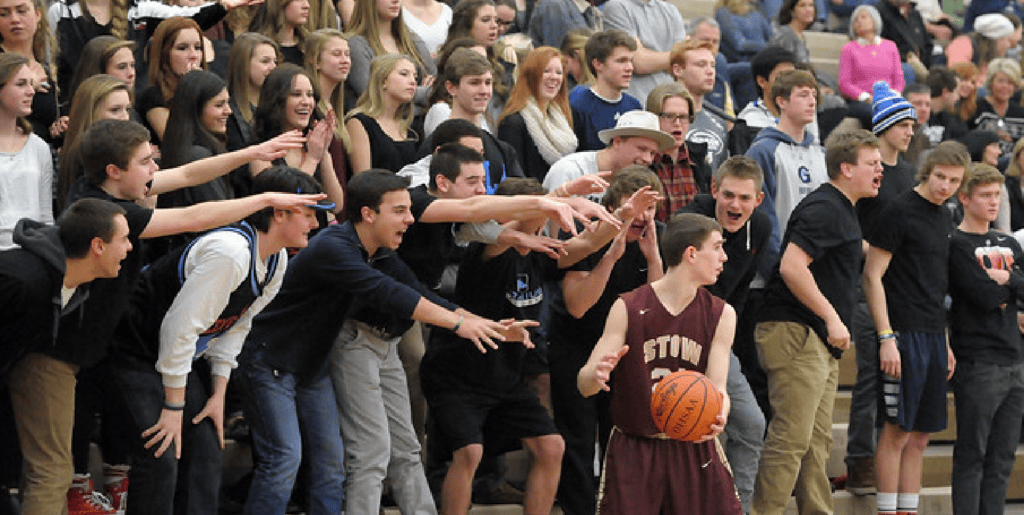
Youth sports experiences are meant to be enjoyable and impactful for athletes, but negative sideline behavior can quickly create tension, spark conflict, and take away from the joy of the game. Coaches have a responsibility to intervene when disruptive actions on the sidelines threaten the positive experiences of athletes. The following tips provide coaches with both proactive and responsive strategies to reinforce positive sideline behavior. Coaches can:
Proactive Strategies
Cue Parents/Caregivers Before Games
Take time to remind parents/caregivers of sideline expectations.
“Today’s game is important for us, and we want to play our best. I want to remind you to treat our athletes, opponents, and the officials with dignity today. I expect everyone associated with our team to make us proud of each other. If there is a bad call by the official, take a second to compose yourself and remember they are human. If there is a problem with the officiating, it’s my job to address it, not yours. Your job is to encourage our athletes and be a good role model for them. Can I get two claps if you understand? Okay. Thanks.”
Introduce Officials to Parents/Caregivers
If the situation allows, ask the officials if you can introduce them to your parents/caregivers.
“These are the officials for today’s game. This is John Jordan and Heather Harris. They’ll be making the calls today, and we want to appreciate them for taking the time to make today’s game happen. Let’s give them a hand for being willing to do a tough job.” (Lead clapping.)
Check in With the Team Parent/Caregiver
If you haven’t already recruited a parent as Team Parent/Caregiver to be your ally and promote positive sideline behavior, do so as soon as you can. Always check in with your team parent/caregiver before a game.
“Thanks for serving as the Team Parent/Caregiver. I want everyone to behave respectfully today. Make sure to touch base with each parent/caregiver early in the game. Say hello and feel free to remind them that we want to set an example for our athletes. Are you all set? Do you have any questions? Thanks again!”
Model the Behavior You Want to See
Parents/Caregivers pick up on your behavior. If you mistreat officials, they’ll be more likely to do the same. If you are calm and focused, it will be easier for them to act the same way.
- Address officials and opposing team members with a consistent, calm tone.
- Take a moment to think before you react to calls, plays, or other instances that challenge you.
Anticipate
If an incident bothers you, you can expect your sideline to also be unhappy about it. Monitor your sideline and anticipate situations in which parents/caregivers are likely to become upset:
- If a game determines which team goes on in the playoffs, expect parents/caregivers to be more on edge than in an early season game. You might even invite a board member or administrator to attend the game as a precaution.
- A close game is more likely to see misbehavior than a game decided early.
- If there is a perception that the other team is playing rough and the officials are not calling penalties, this is a combustible situation.
Responsive Strategies
Nip Problems in the Bud
The earlier you can respond to unwanted sideline behavior, the less likely it is to get out of control. At the first sign of negative sideline behavior, even if it’s reasonably mild, let your parents/caregivers know that it’s not okay.
“Okay, let’s take a step back. Please avoid anything that might disrupt the game or distract our athletes.” Sometimes, just a look and a downward hand movement to “calm down” will do the job!
Refer Back to Expectations
Parents/Caregivers can better respond to a challenge when they have guidelines or expectations to follow, such as those outlined in the Positive Sports Parent/Caregiver Pledge.
“Let’s take a breath. Remember that pledge you signed? You agreed to help keep this a positive experience for our athletes even when there is a bad call. This game is for the athletes, let’s set a good example for them.”
Stay Calm
When you need to address sideline behavior, remain firm but calm. If you are struggling to calmly respond to the situation, enlist the Team Parent/Caregiver, or an assistant coach to help you out.
The goal is to let the sideline know that their reaction is unacceptable. It can be as simple as using a calm voice to say, “That’s not okay. Let’s remember who this is for.”
Ask For Help
Sometimes no matter what you do or how well you handle a situation, nothing helps.
- Recognize when to step back and ask for help.
- Call on leaders of your organization to step in and help resolve the situation if you feel like you’ve done all you can.
Respect People’s “Personal Space”
There is a zone of space around people called “personal space.” Whenever someone invades another person’s personal space without permission, it activates self-protection instincts and a situation can escalate.
- Be mindful of other people’s personal space. Avoid getting in someone’s face when you are telling them to respond better.
- Keep at least an arm’s length of distance when confronting someone.
- Don’t approach in what might be interpreted as a threatening manner. It won’t help if a parent/caregiver turns their anger, verbal or physical, on you.
React with Care When Parents/Caregivers Are Upset with You
If you become the target of a parent/caregiver’s unhappiness in a game, tell them in a calm manner:
“This isn’t the time to deal with this. I need to focus on the athletes and the game right now. I’ll talk with you when the game is over. Now I need you to let me coach and let the athletes play the game.” Later, you may conclude that you need to have a follow-up conversation with one or more of the parents/caregivers to make sure that things won’t get out of hand again.
Reinforce Good Behavior
A simple way to encourage positive sideline behavior is to notice and reward it when it happens. So, make a point of thanking parents/caregivers after every game in which they display positive sideline behavior.
“Thank you for setting a good example today. You did a really good job of creating a positive environment for our athletes. That makes my job easier, and it allows the athletes to focus on playing their best rather than having to worry about whether they are going to be distracted by their parents/caregivers. Thank you.”
Recognize the Challenge
Sometimes it can help to recognize the difficulty of what you are asking of parents/caregivers.
When a parent/caregiver begins to yell at an official, you might say, “I know it’s not easy to remain silent when the official makes a call that you don’t like, but I know you can do it!”
What if you don’t intervene perfectly? You don’t have to be perfect. You can stammer; the words can
come out all wrong; you can be too subtle or too abrupt. That’s okay. But what isn’t okay is allowing
disruptive behavior to go unchallenged and ruin the athlete’s experiences. You are the leader of the
team — and that includes the athletes, their parents/caregivers, and other fans. It’s your
responsibility to set clear boundaries by intervening when behavior falls short of what’s acceptable.
Related Resources