
PCA Resource zone
Parent/Caregiver Tips: How to Have Empowering Conversations with Your Athlete
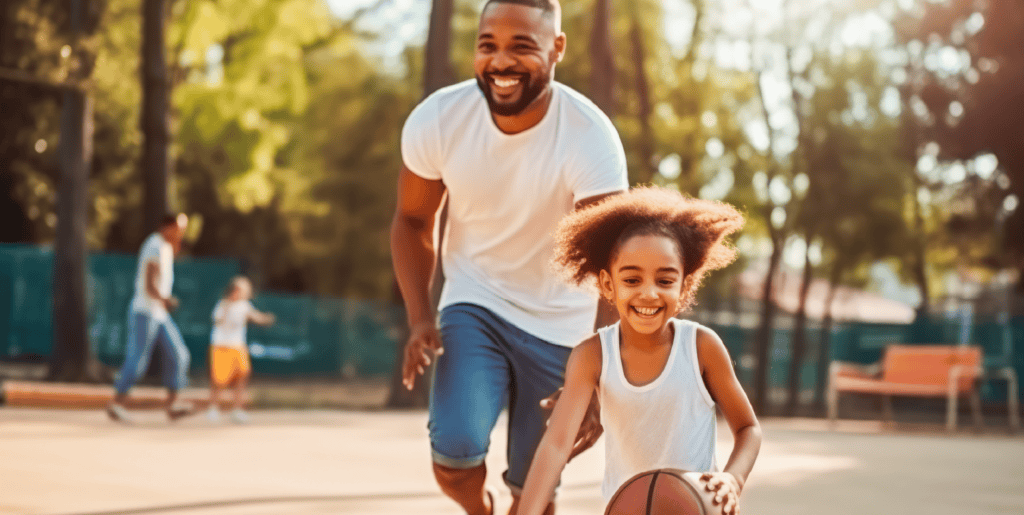
It is important that parents/caregivers intentionally converse with their athlete about their youth sports experience. Too often, parents/caregivers do most of the talking while the athlete listens. Conversations become much more meaningful when athletes also have a chance to speak, and parents/caregivers take the time to listen. Here are suggestions to engage your athlete in a conversation about sports.
Establish Your Goals: A Conversation Among Equals
Remind yourself that the youth sports experience belongs to your athlete, not to you. Your goal is to convey support and unconditional love, to listen to understand their perspective, and support their development of life skills. Let the coach focus on helping them become a better athlete.
Adopt a Tell-Me-More Attitude
Let your athlete know you really want to hear what they have to say and then listen – even if you don’t agree with it or like it. Think of the conversation as an Olympic event with judges, where scoring a 10 depends on the athlete talking and the parent/caregiver listening.
Use Open-Ended Questions
Some questions elicit one-word responses: “How was school today?” “Fine.” Ask questions that require longer, more thoughtful responses. “What was the most enjoyable part of today’s practice?”
Ask About Life Skills
For example: “What are some things you’ve learned in practice this week that might help you with other aspects of your life?”
Show You Are Listening
Make it obvious you are paying attention through use of nonverbal actions such as making eye contact and nodding your head or making “listening noises” (“uh-huh…interesting,” etc.).
Let Your Athlete Set the Terms
Forcing a conversation soon after competition, when emotions may still run high, is often less successful than waiting until your athlete indicates that they are ready to talk. Defer to your athlete’s wishes for a brief discussion. Forcing longer conversations can lead to your athlete avoiding them. And don’t be afraid of silence. Be patient and your athlete will open up to you.
Connect Through Activity
Playing a board game or tossing a ball around can allow a pressure-free space for athletes to share their thoughts and feelings.
Enjoy
The most important reason to listen to your athlete with a tell-me-more attitude is because then they will want to talk to you. As your athlete grows into an independent adult, having a trusting relationship with you will become increasingly important.