PCA Resource zone
Coach Tips for Positive Body Language
Body language is a crucial component of communication. Coaches who focus on keeping their body language positive can create a sense of confidence, encouragement, warmth, openness, belonging, and trust amongst their athletes. It can help athletes in skill development and assure them that a coach values them.(1) To maintain positive body language, coaches can:
Use a Self-Regulation Strategy
When encountering challenging situations or emotions, coaches can use a self-regulation strategy to better respond to the situation rather than react. A self-regulation strategy can give a coach the time they need to maintain positive body language in the face of adversity. For example:
- Silently count to 5 before responding
- Take a deep breath in for 6 seconds through the nose, then out for 8 seconds through the mouth
Use Encouraging Facial Expressions
When interacting with athletes or observing their play, coaches can use encouraging facial expressions to show their engagement and support for athletes. (For example: eye contact, smile, warm eyes)
Crouch Down to Get on Athletes’ Level
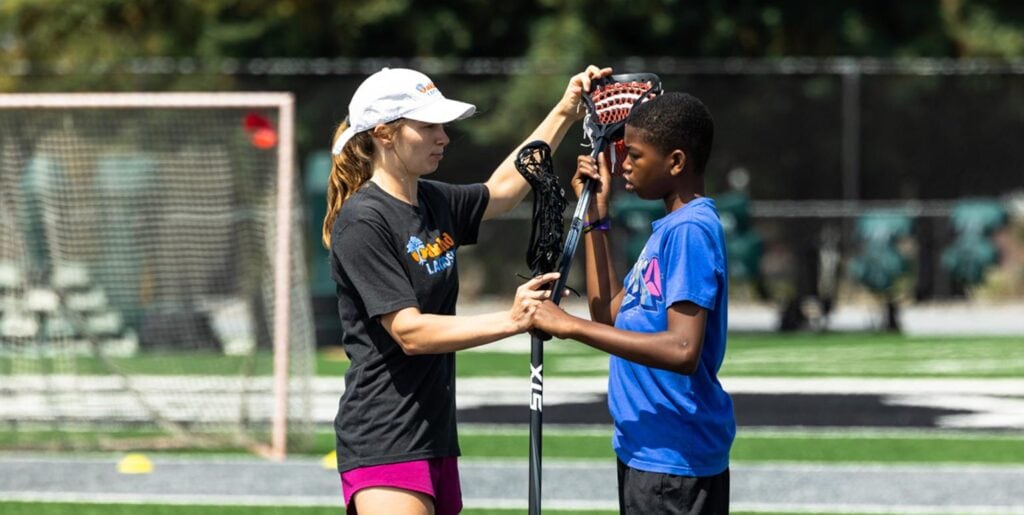
When addressing the team or an individual athlete, crouch down to get on the athletes’ level to avoid intimidating them. Doing so promotes a feeling of safety and demonstrates their importance.
Face Everyone on the Team
When speaking in a team setting, ask athletes to create a half circle so the coach’s back isn’t facing anyone. Not only will athletes be able to better engage with and understand the coach, they may gain a sense of value and inclusion.
Use Positive Gestures
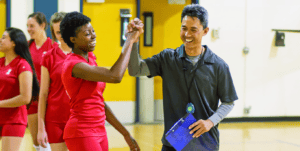
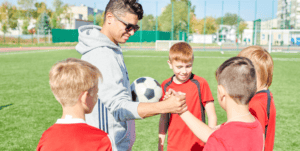
When a coach smiles or gives thumbs-up and high-fives, athletes feel encouraged to continue trying – even when they fail. When their mistakes and failures are framed as learning opportunities and met with encouragement and support, they are more likely to overcome their challenges and grow.
Be Mindful of Individual Preferences
Coaches should be mindful of any individual preferences their athletes may have. For example, maintaining eye contact with one athlete may convey care and support, while it may make another uncomfortable. Knowing these differences and honoring them will help coaches better connect with and support their athletes.(2)
Avoid These Body Language Cues
- Crossing arms
- Frowning or negative facial expressions
- Rolling eyes
- Throwing up hands
- Having back towards athletes
- Kucuk, T. (2023). The power of body language in education: A study of teachers’ perceptions. International Journal of Social Sciences and Educational Studies, 10(3), 275–289. https://doi.org/10.23918/ijsses.v10i3p275
- Mednick, J. (2022, August 24). The importance of positive body language in the classroom. The SCEA. Originally published on NEA.org. Retrieved from https://www.thescea.org/advocating-change/new-from-the-scea/importance-positive-body-language-classroom
Related Resources