
4 Small Actions with Big Impact on Athlete Mental Wellness
05.11.26
When athletes like DeMar DeRozan and Alysa Liu speak up on mental health, they remind us that their well-being isn’t separate from performance; it’s foundational to it.
Young athletes today are carrying more than just their gear onto the field. Between school pressures, social dynamics, and the expectations that come with competition, many are navigating a constant undercurrent of stress.
Youth sports have the potential to either add to that weight, or help relieve it. When coaches ensure sports are done right, they can be one of the most accessible, consistent places where young people learn how to regulate emotions, build relationships, and develop mental wellness skills in real time.
Mental wellness doesn’t happen by chance, it’s built through the consistent, intentional actions of coaches.
Sports Done Right Supports Mental Wellness when coaches…
Notice Every Athlete
When coaches recognize each athlete as an individual, they can adapt their coaching to fit each athlete’s needs, demonstrate the athlete’s value, and show their care for athletes as people beyond the sport.
- Use preferred names
- Ask about their day ‘How was school?’
- Recognize that their unique experiences may impact how they show up
Lead With Empathy
Leading interactions with empathy builds trusting relationships, which can combat the impacts of stress, lead to lower rates of anxiety and depression, and increase each athlete’s own understanding and practice of empathy.
- Pause before reacting
- Acknowledge how the athlete might be feeling
- Be curious and listen to understand the athlete’s perspective
Reinforce Effort and Growth
Effort-focused skill development helps young people feel competent and in control of their own growth, boosts self-confidence, and builds a sense of purpose.
- Praise effort, improvement, and resilience
- Normalize mistakes as part of learning
- Identify short-term goals that contribute to longer-term objectives
Value All Athletes
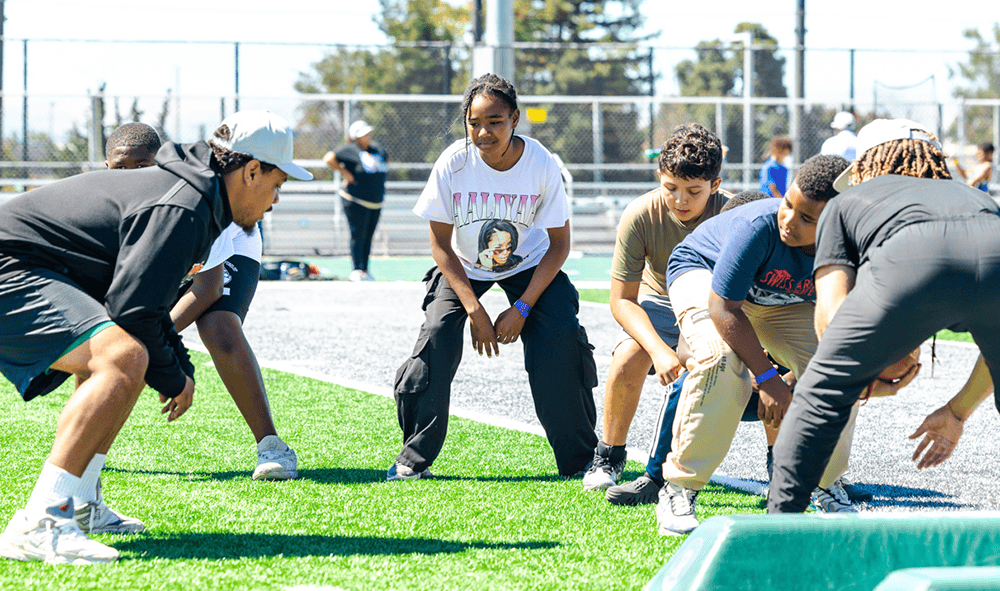
Creating a sense of belonging for all athletes is critical for a positive sports experience. Taking time to understand and celebrate differences helps deepen coach-athlete connections and peer relationships.
- Seek out alternate voices
- Rotate leadership opportunities
- Reflect on your cultural biases and potential blind spots
Youth sports will always come with pressure points, close games, missed opportunities, and emotional highs and lows. Our role as coaches isn’t to remove those moments, but to make a lasting impact by helping athletes navigate them.