PCA Resource zone
How to Run a Winner’s Circle
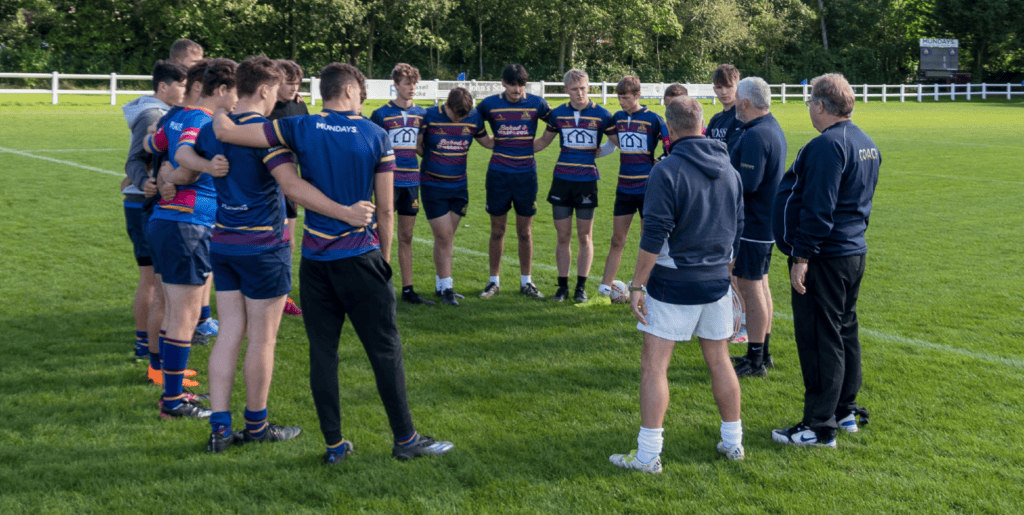
A Winner’s Circle is a high-impact team reflection activity that elevates athletes’ voices by giving them the chance to celebrate the positive contributions of their teammates. This ritual is used to help shift a team’s focus away from who played the best, redirecting their attention to the unsung actions that drive peer support, belonging, confidence, and skill improvement.
When done right, the Winner’s Circle helps athletes build connections and feel seen and valued within the team.
Steps to Run a Winner’s Circle
- Bring the Team Together | End of practice or competition
Gather the team into a tight circle. Ensure everyone is standing or sitting on the same level, including the coaching staff.
- Set the Focus | 1 minute
Clearly define what type of behaviors you are looking to celebrate.
“Within our Winner’s Circle, we aren’t talking about who scored the most points. I want to hear about a teammate’s effort, improvement, or leadership that stood out to you.”
- Invite Athlete Voice | 3-5 minutes
Give the athletes the floor and encourage them to make eye contact with the person they are shouting out.
“Raise your hand if you saw a teammate do something worth celebrating today. Cali, kick us off. Who did you see and what did they do?”
- Be Specific | In the circle
Encourage clear, meaningful praise and ask athletes to come up with a way to celebrate the athlete they are highlighting:
“Thank you for sharing, Cali – but let’s get specific. How did you see Sam improve today? Let’s all give her two claps!”
- Make it inclusive | In the circle
Ensure multiple athletes are recognized—not just the same few each time.
- Close with purpose | 30 seconds
Briefly circle back to why you do the Winner’s Circle.
“Our team is stronger when we feel supported by and connected to our teammates. This is what helps our team grow and succeed.”
Example Prompts To Spark the Conversation
If your team is new to this ritual or struggling to identify ways to recognize each other, you can use these prompts:
- “Who did you see put in extra effort today, even when they were exhausted?”
- “Tell us about a teammate who picked someone else up or gave the team energy after a tough play?”
- “Who did you see make an improvement today?”
- “Did anyone see a teammate handle a challenge with composure today?”
- “I want to hear about a teammate who quietly did a thankless job that helped the rest of us succeed.”
- “Did you see someone make an adjustment that led to their success today?”
Related Resources