PCA Resource zone
8 Things Sports Leaders Can Do to Get On The Same Page with Coaches
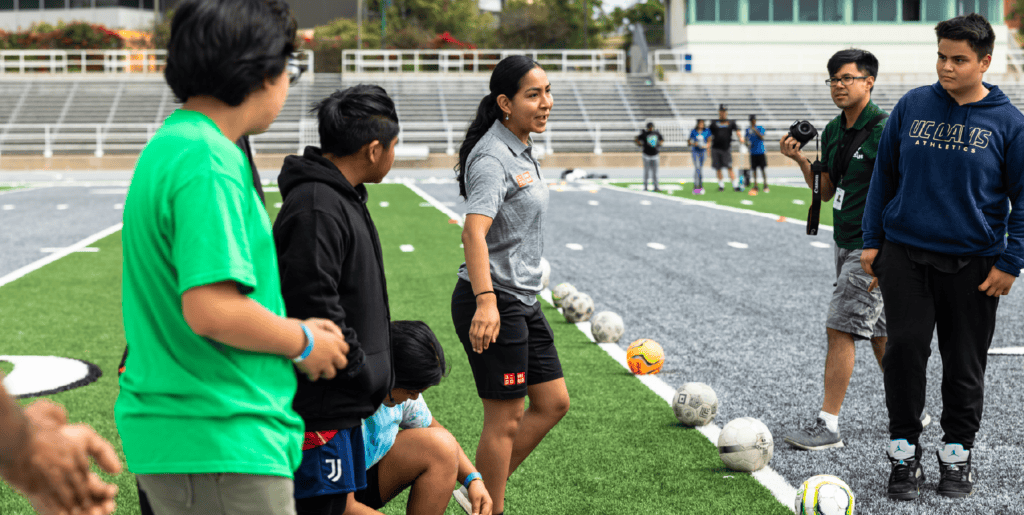
Building a sports culture where every athlete thrives requires intention and time. As a sports leader, your influence sets the tone. When you provide training in positive youth development, model healthy interactions, and maintain a two-way feedback loop, you empower coaches to succeed. Together, you can create an environment where athletes excel both on and off the field.
To align with coaches, sports leaders can...
Host a Pre-Season Coach Meeting
Gather your coaching staff before the season begins to ground everyone in your program’s core values and mission. Clearly define behavior policies, set expectations, and reinforce the critical role each coach plays in shaping the athlete experience. Create an open environment where coaches can ask questions and take ownership of the season’s goals.
Develop a Coach Job Description
A coach job description is a shared roadmap for success, not just a checklist. It outlines specific expectations and gives coaches actionable ways to meet them. Use this document as your leadership playbook to celebrate coaches who are succeeding in their role and provide solution-oriented support for those who need extra guidance.
Require Coach Training and Education
Equip coaches to meet expectations by offering targeted training in positive youth development, cultural proficiency, and athlete mental wellness. Consistent training ensures athletes feel valued, safe, and connected, while boosting coach satisfaction and success.1 Provide educational resources throughout the year to reinforce learning and encourage continuous growth.
Build Relationships Beyond the Role
Get to know coaches as individuals outside of the sport, and let them see who you are beyond your title. This foundation of trust makes it easier for coaches to approach you when they face challenges. When you model a supportive, honest relationship with your coaches, they will build those same impactful relationships with their athletes. 2
Observe and Connect on the Field
The best way to evaluate your program’s culture is to see it in action. Schedule regular time to observe practices and games, paying close attention to coach-athlete interactions. If your schedule is packed, delegate a trusted staff member or mentor coach to step in. Always follow up with a brief, supportive check-in to highlight their successes and identify areas of growth.
Create a Two-Way Feedback Loop
Establish safe, regular opportunities for coaches to share their experiences, challenges, and ideas through seasonal surveys, biweekly text or email check-ins, or casual one-on-one conversations. Approach their insights with curiosity and gratitude, recognizing the vulnerability it takes to speak candidly. Use their feedback to refine your systems and better support their needs.
Model The Culture You Want to See
Leadership is a mirror. You cannot expect a coach to build a positive sports culture for their athletes if you are not building that same culture for your coaches. Your daily actions set the tone. Actively demonstrate inclusive practices, emotional regulation, coach empowerment, acknowledgement of mistakes, and positive encouragement to model the blueprint of strategies you want coaches to apply to their own teams. 2
Celebrate Your Coaches
Appreciate coaches and actions that contribute to a positive youth sports culture. Use social media, staff-wide emails, or a quick text message to reinforce great coaching behaviors in real time. At the end of the season, share positive feedback from players and parents/caregivers to ensure your coaches feel deeply valued and appreciated.
- Anderson-Butcher, D., Bates, S., & Lo, M.-T. (2024). Coach training participation and athlete life skill development: Findings from the US national coach survey. Quest, 77(sup1), 10–28. https://www.tandfonline.com/doi/full/10.1080/00336297.2024.2407140
- Hebard, S. P., Oakes, L. R., Davoren, A. K., Milroy, J. J., Redman, J., Ehrmann, J., & Wyrick, D. L. (2021). Transformational coaching and leadership: Athletic administrators’ novel application of social and emotional competencies in high school sports. Journal of Research in Innovative Teaching & Learning, 14(3), 345–364. https://www.emerald.com/jrit/article/14/3/345/255064/Transformational-coaching-and-leadership-athletic
Related Resources