
Girls Have a Lot to Say: Looking Back at She’s a Baller San Diego
09.09.26
A recap of listening, access, and girls’ sports
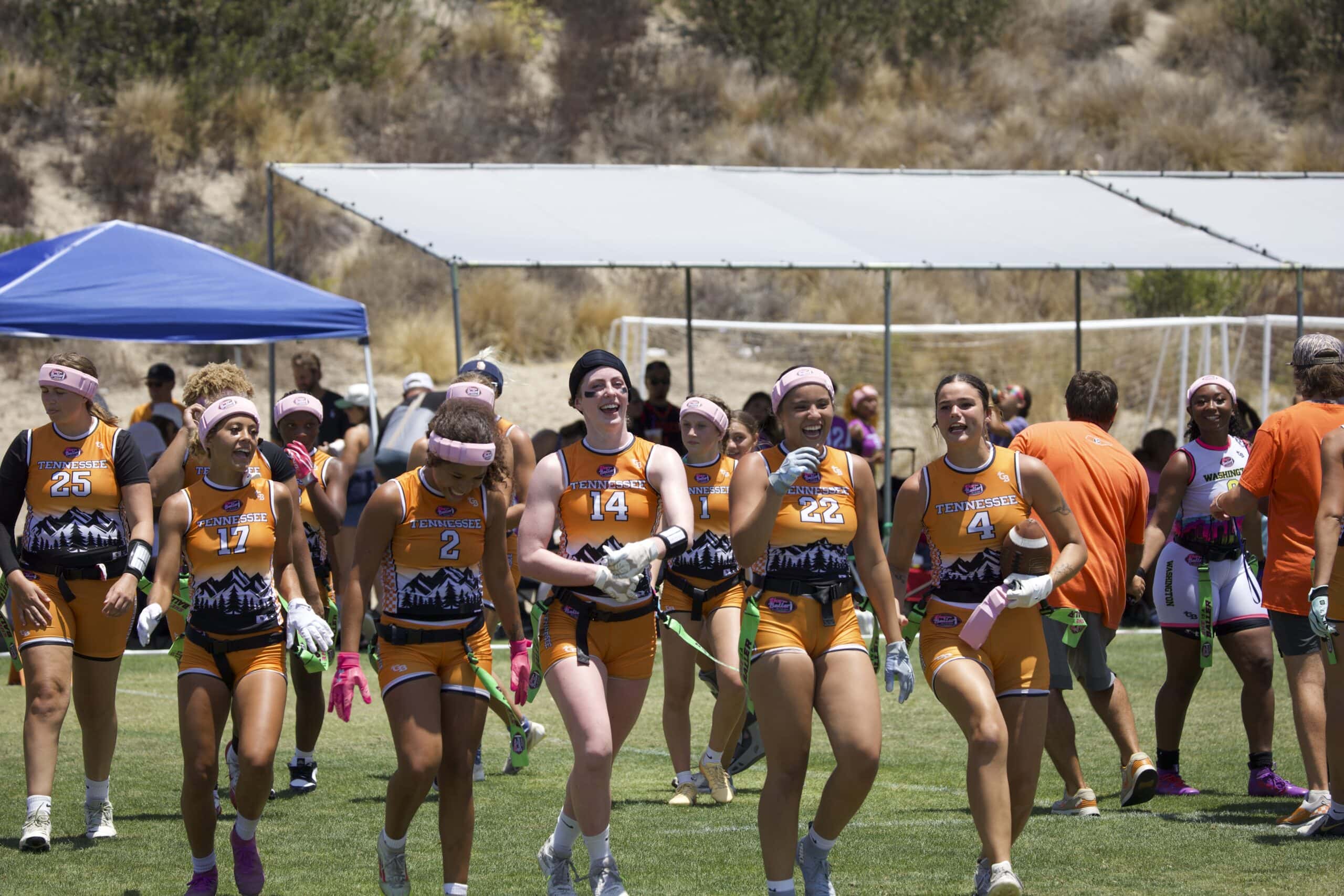
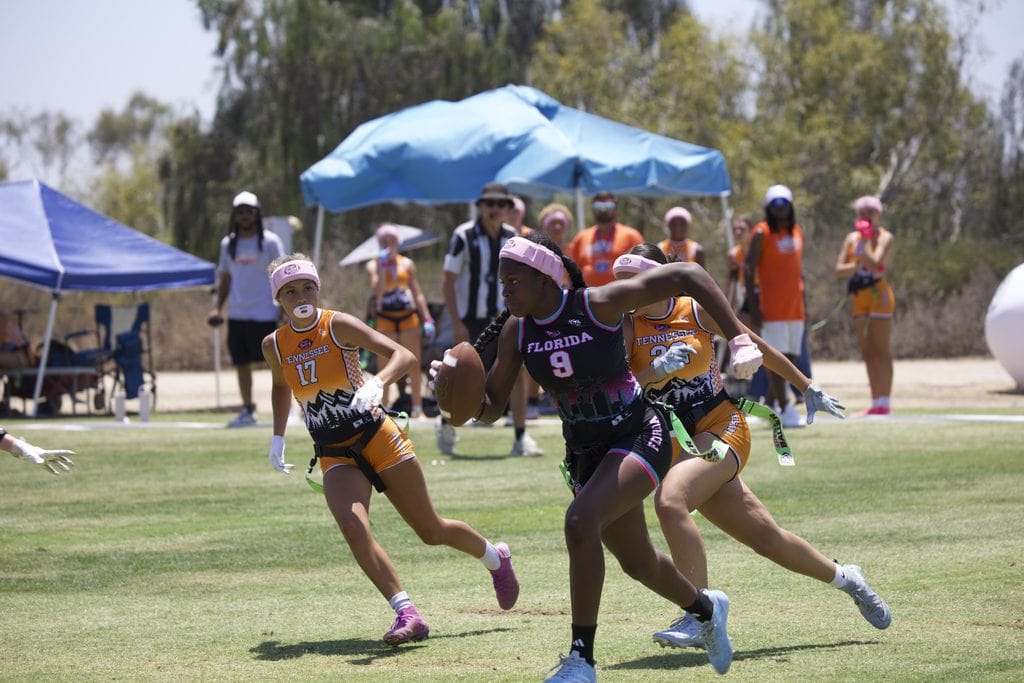
This summer, hundreds of girls and their families gathered at the Chula Vista Elite Athlete Training Center for She’s a Baller, a multi-day flag football experience bringing athletes from across the country to San Diego.
Removing Barriers to the Game
For hundreds of San Diego families, getting there came without the cost of admission thanks to Positive Coaching Alliance’s work with the San Diego Youth Sports Equity Coalition which waived fees, removing a barrier that would have kept many from taking advantage of an opportunity happening right in their own backyard.
But expanding access was only part of the opportunity.
Shared Mission
She’s a Baller co-founder Cory Liuget has deep ties to San Diego from his NFL career with the Chargers. When he looked to bring the event to the area, he connected with people he knew in the community, including PCA’s Armon Harvey.
Armon knew Cory’s commitment to the community and immediately saw an opportunity to partner. Girls’ participation has been an ongoing priority for the San Diego Youth Sports Equity Coalition, and an event designed specifically to invest in female athletes aligned naturally with that work.
PCA and the coalition spread the word through community partners across San Diego, enabling 260 families to take advantage of the opportunity. This event gave local girls the chance to play at the same training center used by elite athletes and experience an environment where they were seen and valued as athletes. It also reinforced something the coalition has been working toward: access matters, but what young people experience once they arrive matters too.
Centering the Voices
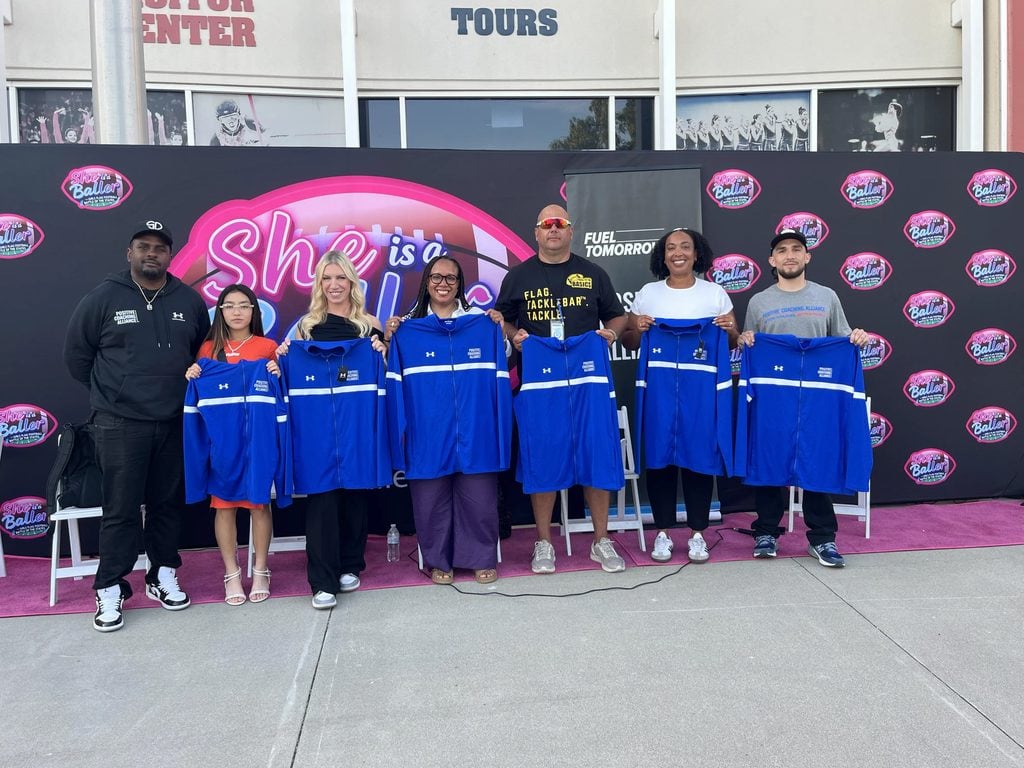
PCA joined the event’s Thursday evening dinner with an intentional panel discussion for athletes and their families. Coalition member Jerica Williams helped coordinate the conversation, and Valissa Thomas facilitated a discussion designed to make sure professional expertise wasn’t the only expertise in the room.
Drawing from her background working with young people in schools and in diversity, equity, and inclusion, Valissa intentionally centered the experiences of the athletes themselves. Naomi Lee, a 14-year-old athlete on the panel, wasn’t there simply to react to what adults thought about girls’ sports. She was given space to talk about what she experiences as a young athlete.
And as attendees heard Naomi’s perspective and the conversation, something shifted.
From Panel Discussion to Community Dialogue
Attendees began raising their hands. They weren’t simply asking questions of the panelists. They were offering their own experiences and adding new layers to what was being shared.
Dads were curious about how they could better show up for their daughters. Moms spoke openly about their concerns and what they hoped sports could offer their girls. Young athletes raised their own questions and shared perspectives about the sports environments they experience every day.
What began as a panel became a community conversation.
The discussion continued for more than an hour and eventually had to wrap up because the sun was setting faster than the conversation was slowing down.
That evening reinforced a simple lesson for our work in San Diego: girls have a lot to say about their experiences in sports. So do their families. We need to listen more.
Why Listening Drives Equity
Working toward greater equity requires us to be intentional about whose experiences inform the environments we create. When young people and families have space to speak honestly about what they experience, we get a clearer picture of where barriers remain and what needs to change.
The impact of She’s a Baller didn’t end when families left the training center.
Looking Forward: What Comes Next
PCA plans to continue working with Cory and She’s a Baller, but the experience also sparked something within the San Diego Youth Sports Equity Coalition. Coalition members left interested in building a more intentional girls-focused initiative in San Diego.
The coalition doesn’t have to create every opportunity itself. Sometimes its role is recognizing what is already happening in the community, connecting people to it, and removing barriers that stand in the way. Other times, it is creating space to listen and allowing what we hear to inform what comes next.
For 260 San Diego families, that meant access to an experience that may otherwise have been out of reach. For the coalition, it created momentum around what more could be possible for girls in San Diego.
Because when girls tell us what they need from sports, our first responsibility is to listen.