
Coaching Boys Beyond the Game
07.22.26
This article was written by Suzanne Sillett, Vice President, Education and Innovation at Positive Coaching Alliance
Many boys today are navigating a complex mix of challenges shaped by changing social expectations, mental health trends, and evolving ideas about masculinity, while also recognizing that there is no single way to experience boyhood. What it means to be a “boy” is influenced by culture, identity, and lived experience. For many boys, there are common pressures that show up in similar ways.
Underneath the surface, many boys are experiencing pressure, loneliness, and disconnection, often without the support or skills to process those experiences (Our Epidemic of Loneliness and Isolation. U.S. Surgeon General’s Office, 2023). Messages about being tough, independent, and in control can make it harder to express emotion or ask for help. In these moments, coaches are uniquely positioned to provide the support boys need.
Why Coaches Matter Now More Than Ever
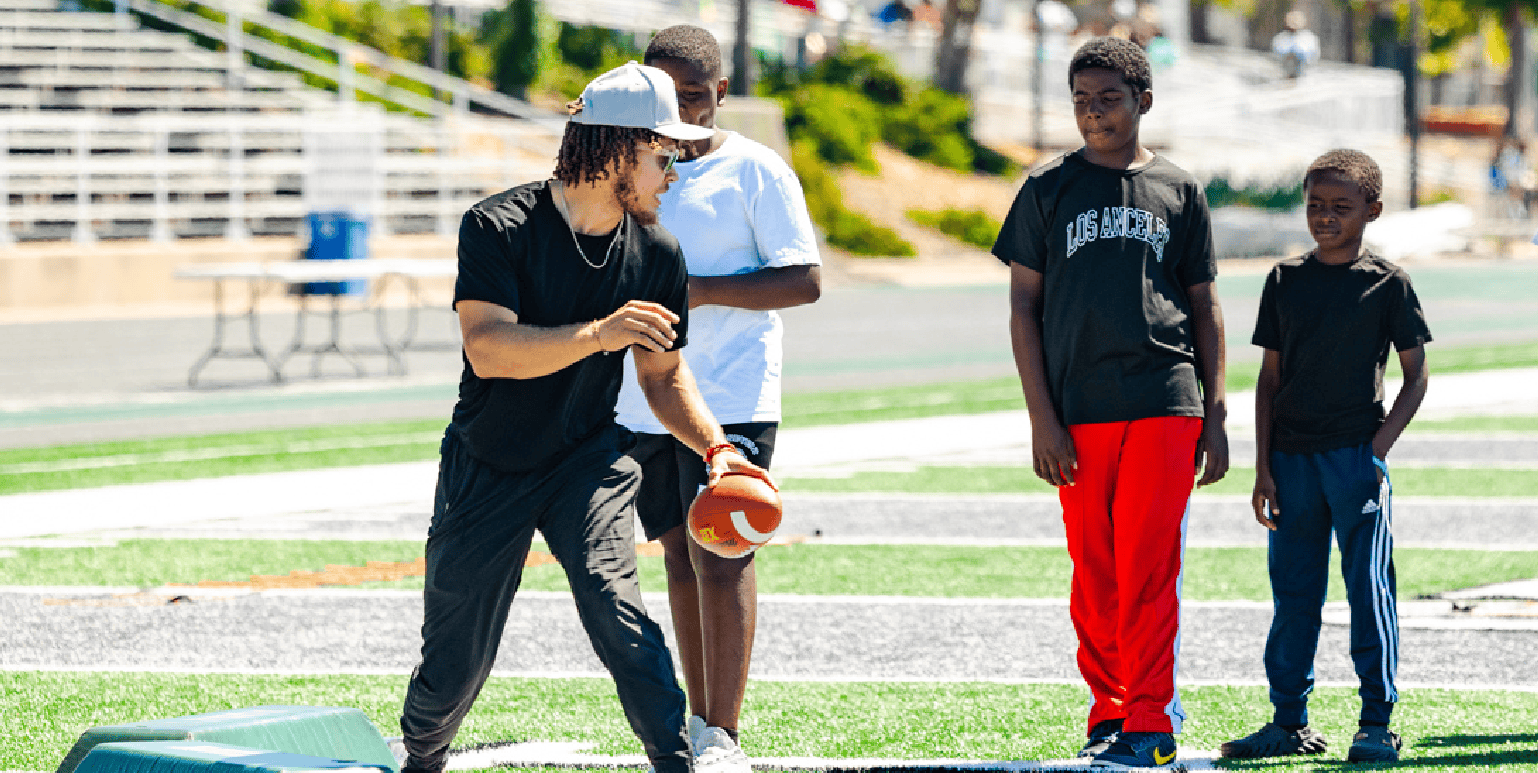
For many boys, sports aren’t just extracurricular; they’re central to how they see themselves and how others see them. That gives coaches an enormous opportunity, and responsibility, not just to build skills and strive to win games, but to shape character, model healthy and expansive versions of masculinity, and create environments where boys feel seen, supported, and safe to be themselves.
It may seem like the key is to tell boys to “toughen up,” “get over it,” or push through emotions, but real power and lasting impact come from a coach who says, “It’s okay to be upset,” or “mistakes help us grow.”
Boys may not always open up easily, but they’re watching closely. They notice how a coach handles pressure, treats others, reacts to loss, and gives praise. They internalize the unspoken messages:
- Do I matter beyond how I perform?
- Can I be myself here?
- Is it safe to mess up?
- What happens if I ask a question or make a mistake?

Coaches who show care, consistency, and hold high expectations, without shaming or emotional distance, help boys develop both athletic ability and emotional intelligence. A great coach teaches more than strategy; they teach integrity, empathy, and how to show up for others.
What Boys Need From Coaches Today
1. Connection Over Control
Instead of focusing solely on discipline and order, build trust first. When boys feel safe and connected, they are more willing to take risks, both in sport and in expressing themselves.
2. Permission to Feel
Validate emotions. Saying “I see that you’re frustrated” or “that loss was tough” helps boys process experiences rather than suppress them. Emotional awareness is not a weakness; it’s a skill.
3. Mistake-Friendly Environments
Encourage learning through mistakes and praise courage over perfection. A mistake-resilient culture helps boys stay engaged, take ownership, and build lasting confidence.
4. Healthy and Expansive Models of Masculinity
Boys are constantly receiving messages about how they “should” act. Coaches have the opportunity to expand those messages, modeling vulnerability, respect, and empathy. When boys see that strength can include kindness and emotional awareness, it broadens what they believe is possible for themselves.
As a coach of boys and the mom of two sons, I see every day how boys absorb and make sense of the messages modeled by the adults around them. They’re forming beliefs, less from what we say, and more from what we show. Over time, those messages shape how they see themselves and who they’re becoming. Keeping that in mind can guide how we show up as coaches, intentionally modeling the behaviors and values we hope they carry forward. What boys experience on the field becomes part of how they understand themselves, and ultimately, the kind of men they grow into.