
PCA Resource zone
Coach Tips for Managing the Pressures of Playoffs
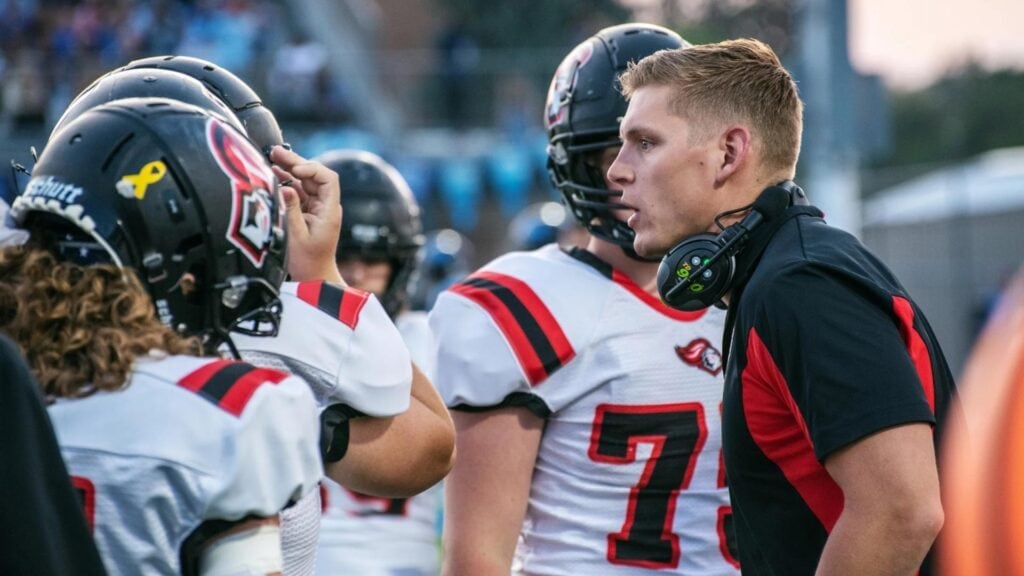
One of the most exciting and challenging parts of any season arrives when the stakes rise, and each performance determines who moves on. Tournaments and postseason play create an atmosphere of competition, excitement, and joy – while also introducing added pressure. Research shows that playoff pressure often stems from three key factors:
- Increased feeling of being judged
As the stakes rise, athletes often feel every mistake is amplified and evaluated by parents, coaches, and peers. 1 - Fear of disappointing others
Research shows that the top driver of sports anxiety isn’t just losing – it’s the fear of letting down important adults. 2 - Unintentional coaching shifts
When the postseason arrives, adults sometimes change their tone, routine, and reactions, signaling to athletes that the environment has become tense or urgent. 3
Use the practical strategies below to create an environment where your athletes can manage added pressure, feel supported, and compete at their best.
- Model emotional control
- Maintain practice routines and predictability
- Reframe stress signals as excitement
- Teach regulation techniques
- Redirect focus to process over outcomes
- Remember fun and connection
- Conduct individual and team check-ins
Download the complete resource for more tips on managing the pressures of playoffs.
SOURCES:
Conroy, D. E., Willow, J. P., & Metzler, J. N. (2002). Multidimensional fear of failure measurement: The Performance Failure Appraisal Inventory. Journal of Applied Sport Psychology, 14(2), 76–90.
O’Rourke, D. J., Smith, R. E., Smoll, F. L., & Cumming, S. P. (2014). Relations of parent- and coach-initiated motivational climates to young athletes’ self-esteem, performance anxiety, and autonomous motivation: Who is more influential? Journal of Applied Sport Psychology, 26(4), 395–408.
Smith, R. E., Smoll, F. L., & Cumming, S. P. (2007). Effects of a motivational climate intervention on athletes’ anxiety and performance in youth sports. Journal of Sport and Exercise Psychology, 29(1), 39–59.